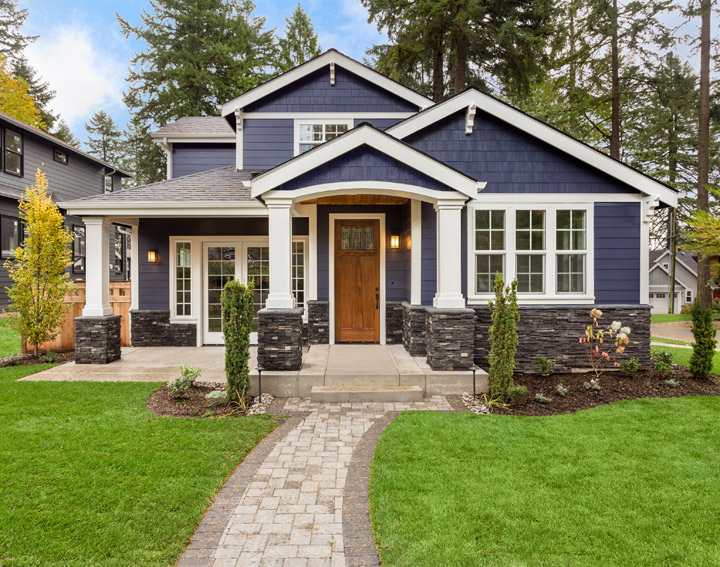
Understanding the Appraisal ProcessTheir home's purchase can be the largest investment some of us might ever encounter. It doesn't matter if where you raise your family, a seasonal vacation home or a rental fixer upper, the purchase of real property is a detailed transaction that requires multiple parties to make it all happen. Practically all the participants are quite familiar. The most recognizable face in the transaction is the real estate agent. Next, the lender provides the money needed to bankroll the transaction. And the title company ensures that all areas of the sale are completed and that a clear title passes to the buyer from the seller. So, what party makes sure the value of the real estate is consistent with the purchase price? In comes the appraiser. We provide an unbiased estimate of what a buyer might expect to pay — or a seller receive — for a parcel of real estate, where both buyer and seller are informed parties. A licensed, certified, professional appraiser from JRH Appraisals will ensure, you as an interested party, are informed. Appraisals start with the property inspectionTo ascertain the true status of the property, it's our responsibility to first complete a thorough inspection. We must see aspects of the property hands on, such as the number of bedrooms and bathrooms, the location, amenities, etc., to ensure they truly are present and are in the condition a reasonable buyer would expect them to be. To make sure the stated size of the property is accurate and illustrate the layout of the property, the inspection often includes creating a sketch of the floorplan. Most importantly, we identify any obvious features - or defects - that would affect the value of the house. Back at the office, we use two or three approaches to determining the value of the property: a paired sales analysis, a replacement cost calculation, and an income approach when rental properties are prevalent. 
Replacement CostHere, the appraiser analyzes information on local building costs, labor rates and other elements to figure out how much it would cost to build a property similar to the one being appraised. This value commonly sets the maximum on what a property would sell for. The cost approach is also the least used predictor of value. 
Analyzing Comparable SalesAppraisers get to know the communities in which they appraise. They innately understand the value of specific features to the residents of that area. Then, the appraiser looks up recent transactions in close proximity to the subject and finds properties which are 'comparable' to the subject in question. Using knowledge of the value of certain items such as square footage, additional bathrooms, hardwood floors, fireplaces or view lots (just to name a few), we add or subtract from each comparable's sales price so that they more accurately match the features of subject.
A valid estimate of what the subject might sell for can only be determined once all differences between the comps and the subject have been evaluated. At JRH Appraisals, we are experts when it comes to knowing the worth of particular items in Patterson and Putnam County neighborhoods. The sales comparison approach to value is typically given the most importance when an appraisal is for a real estate purchase. Valuation Using the Income ApproachA third method of valuing a property is sometimes employed when an area has a measurable number of renter occupied properties. In this situation, the amount of income the real estate yields is factored in with other rents in the area for comparable properties to give an indicator of the current value. Coming Up With The Final ValueExamining the data from all approaches, the appraiser is then ready to document an estimated market value for the subject property. Note: While this amount is probably the strongest indication of what a property is worth, it probably will not be the price at which the property closes. Depending on the specific circumstances of the buyer or seller, their level of urgency or a buyer's desire for that exact property, the closing price of a home can always be driven up or down.Regardless, the appraised value is typically employed as a guideline for lenders who don't want to loan a buyer more money than the property is actually worth. At the end of the day, an appraiser from JRH Appraisals will guarantee you discover the most accurate property value, so you can make profitable real estate decisions. |